


Recently, I had the privilege of interviewing Milan for the first episode of The Fashion Archivist Podcast. What began as research into one designer’s career quickly became something much larger: an exploration of what fashion has lost, what it has gained, and what remains worth preserving.
Many readers may know Milan through one of fashion’s most sought-after archival objects: the rare leather cargo bags he designed during his time at Jil Sander for the Spring Summer 2003 collection. Those pieces are now fiercely collected and almost impossible to find.


But the reason to study Milan today goes far beyond a collectible handbag.
His career represents a kind of expertise that has become increasingly rare. Milan understands fashion not only as design, but as an interconnected ecosystem of creativity, retail, publishing, image-making, culture, timing, and politics. He understands that fashion is not simply about clothes or fantasy. It is about ideas, people, desire, and the systems that shape them.
In a moment when fashion often feels reduced to algorithms, trends, and instant reactions, I find myself drawn back to the people who helped build the industry as we know it.
When I first contacted Milan, I was initially interested in his work at Jil Sander. But as my research deepened, a different picture emerged. What I discovered was not simply a designer moving between jobs, but someone who had spent decades building a coherent vision across multiple disciplines.
Design. Retail. Photography. Creative direction. Publishing.
Few people have operated across so many layers of fashion. Even fewer have maintained such consistency throughout their careers.
What fascinated me most was not any single project, but the persistence of that vision. You do not build that over two successful seasons. You build it over decades.
That became especially apparent when discussing Colette, the legendary Paris concept store that Milan co-founded. In recent months I had been reading discussions about the decline of physical retail and the growing sameness that characterises contemporary culture. We listen to the same music, stream the same shows, consume the same content; and increasingly, we dress alike.
The internet connected the world and transformed fashion in profound ways. It opened doors that were once reserved for a relatively small group of insiders. The industry became more accessible, more transparent, and more democratic. Voices that might never have been heard now have platforms of their own.
That shift should not be romanticised. The fashion world of previous decades was often elitist, hierarchical, and difficult to enter. Access depended on geography, connections, and gatekeepers. Many talented people were excluded from conversations simply because they did not belong to the right networks.
Yet every system creates its own challenges.
Through Milan’s career, you can see how radically information and participation in fashion have expanded. Today, information is abundant and participation is open to almost everyone. Fashion has never been more visible.
But in a landscape where everyone can publish opinions, build audiences, and present themselves as experts, genuine expertise can become surprisingly difficult to identify.
Colette emerged during a period when access to information was limited, but discovery still required active curiosity. People developed taste through exploration rather than recommendation. Not because the past was better, but because scarcity and abundance produce different behaviours.
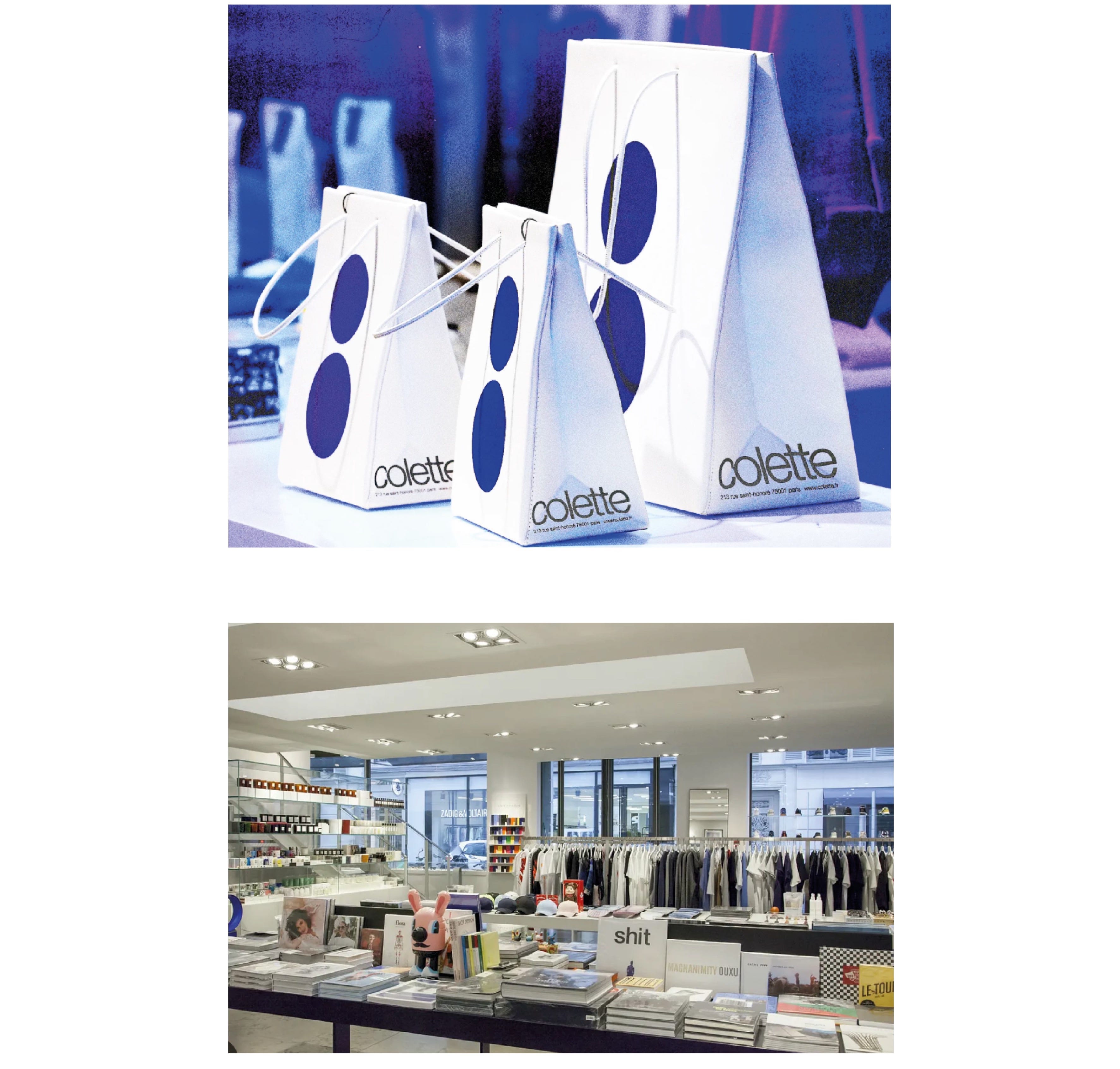
“I think it was great that a store could propose something you could only find there. Now, when you travel, there is a Louis Vuitton store everywhere, Prada everywhere — it’s always the same.” - Milan Vukmirovic
Speaking with Milan made me realise how dramatically fashion’s relationship with desire has changed. The challenge today is no longer access. The challenge is finding difference, originality, and substance within an endless stream of content.
That lesson feels relevant today.
One small example illustrates this perfectly.
Did you know that Jil Sander once produced exquisite cashmere teddy bears?
Most people don’t. In fact, I had never encountered them until I acquired two examples for my own collection. They were developed during Milan’s tenure as Creative Director at Jil Sander between 2001 and 2003.
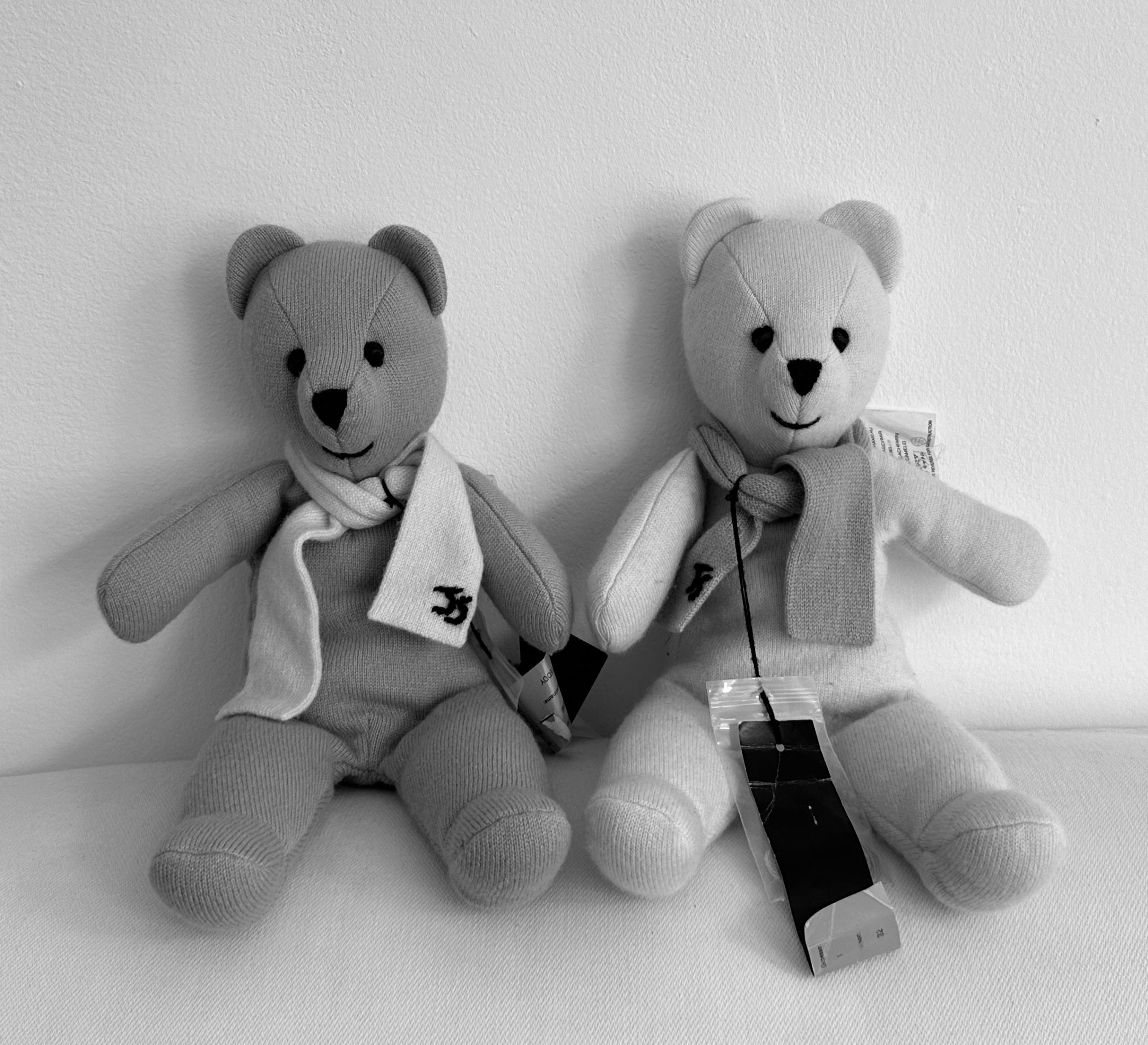
That period remains one of the most fascinating transitions in modern fashion history.
Imagine the circumstances. Milan became the first Creative Director to lead Jil Sander after Jil Sander herself had departed the brand. He inherited not only a fashion house, but a devoted audience whose loyalty was almost ideological.
Many followers simply refused to accept another designer continuing her legacy.
Looking back today, that reaction is fascinating.
The collections Milan produced remain remarkably relevant more than two decades later. Yet at the time they represented a dramatic shift. The purity of 1990s minimalism gave way to a more athletic, sensual, and contemporary vision. What now feels natural was deeply controversial then.
Fashion history repeatedly shows how moments of change are rarely appreciated in real time.
The people who create those shifts often face resistance long before they are later reframed as inevitable. Think of Alexander McQueen’s tenure at Givenchy. Today it is celebrated. At the time, it was often misunderstood. The same could be said of Vivienne Westwood, whose unconventional approach to tailoring, proportion, and historical references was once dismissed as provocative and disruptive before becoming recognised as a defining force in modern fashion.


Milan’s experience reminds us that fashion is never simply about aesthetics. It is also about institutions, power structures, expectations, and timing.
Which is why I sometimes struggle with the rise of social-media fashion criticism, where evaluation often replaces understanding of the systems behind it. Fashion can (and should) be critiqued, but it is also far more complex than what appears on a runway or an Instagram post.
That complexity is also visible in Milan’s work beyond design.
As Editor-in-Chief of L’Officiel Hommes, he was simultaneously working as a photographer. Yet industry conventions at the time were so rigid that he often published photographs under a pseudonym because occupying both roles was considered unacceptable.
Today, when multidisciplinary creative careers are celebrated, that reality feels almost unimaginable.
During my months of research, one thing became increasingly clear: Milan’s vision has remained remarkably consistent.
Reading interviews from the early 2000s alongside our conversations today, I was struck by how little his core beliefs have changed. The tools evolved. The industry transformed. Social media reshaped fashion communication. Yet the underlying philosophy remained intact.
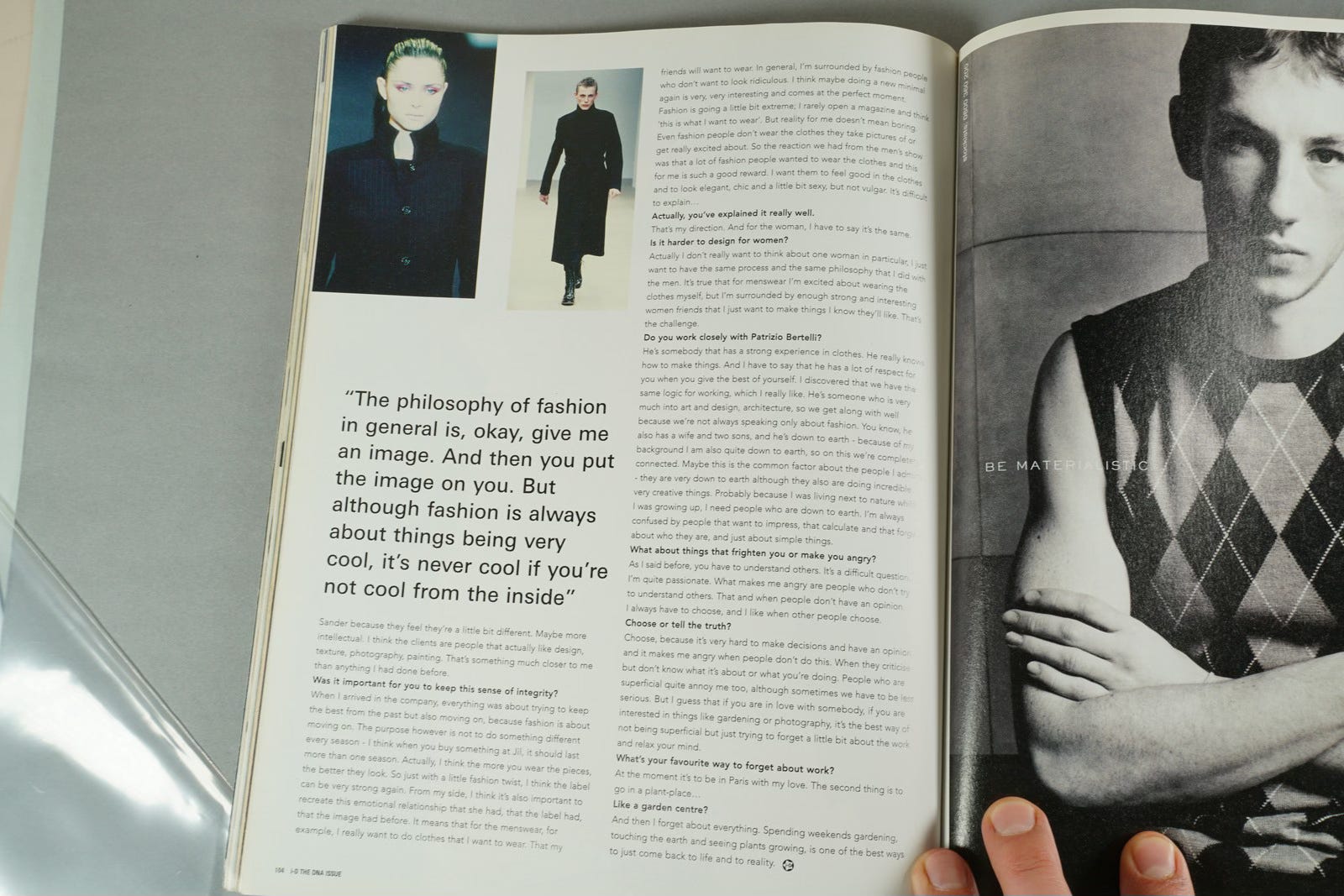
His archive reveals a buyer, designer, editor, photographer, and creative director committed to a particular vision of masculinity, elegance, sensuality, and modernity. Across decades of work, recurring themes emerge: military references, technical workwear, refined sexuality, and a sleek, intelligent understanding of menswear.
Those fingerprints continue to resonate throughout contemporary fashion.
Perhaps that is why one comment from our conversation stayed with me:
“I love the word resistance in fashion. Even today, people who resist and still believe in magazines, creativity, and difference. Nothing is better than what makes you dream and gives you emotions. That’s why I love fashion in the first place.” – Milan Vukmirovic
Lived experience is one of fashion’s most undervalued forms of knowledge. We celebrate novelty, but often neglect the people who spent decades building the culture we inherit today.
That is why The Fashion Archivist exists.
Not to preserve the past for the sake of nostalgia, but to understand how ideas travel across generations. To document the people whose work continues to shape contemporary fashion, whether their names remain visible or not.
Archives matter because they reveal the connections between past and present. They remind us that fashion does not emerge from nowhere. Every collection, image, store, publication, and movement exists within a much longer conversation.
Milan Vukmirovic’s archive is valuable not simply because it records a career, but because it demonstrates what sustained vision looks like.
Which leaves a larger question:
In a system defined by visibility, what still counts as expertise?